

RTA Outdoor Living's 7-Point Safety Check for a Safer Fourth of July Cookout
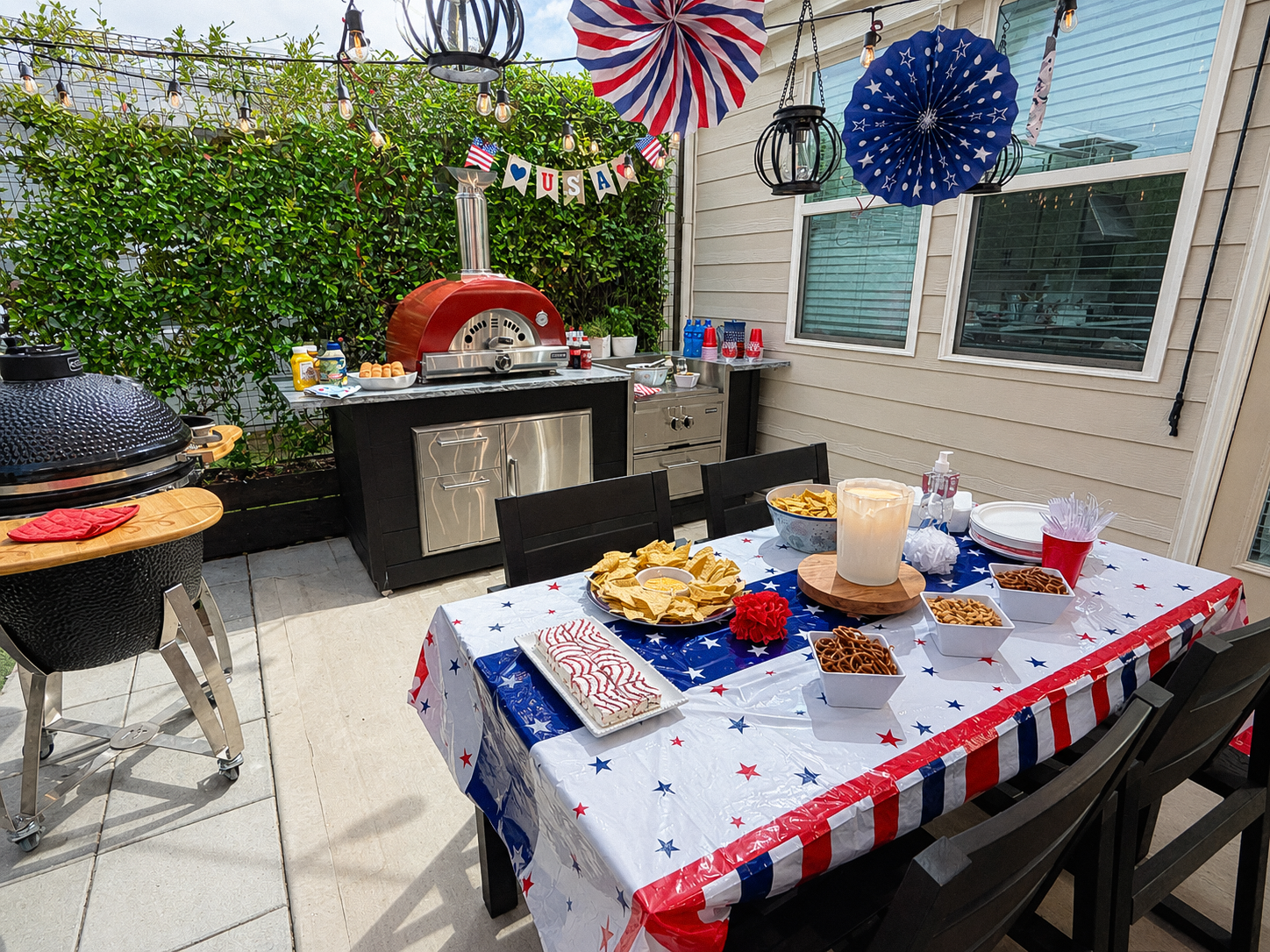
As grill fires peak in July, RTA Outdoor Living breaks cookout safety into three simple categories: grill risks, personal safety risks and one structural issue.
People don't always think about their grill setup the same way they think about their roof or foundation, but an outdoor kitchen still has to handle heat, weight, weather and a crowd of guests.”
GREENLAND, NH, UNITED STATES, June 30, 2026 /EINPresswire.com/ -- The Fourth of July is one of the busiest weekends of the year for backyard cooking, yet many homeowners focus more on fireworks safety than on the grill, appliances and structure supporting the outdoor kitchen. According to the National Fire Protection Association, July is the peak month for grill fires, and U.S. fire departments respond to an estimated 10,600 home fires involving grills, hibachis or barbecues each year.— James King, Vice President of Design at RTA Outdoor Living
"People don't always think about their grill setup the same way they think about their roof or foundation, but an outdoor kitchen still has to handle heat, weight, weather and a crowd of guests," said James King, Vice President of Design at RTA Outdoor Living. "The safest setup is one where the grill, appliances, ventilation, surrounding materials and support structure all work together."
RTA groups outdoor kitchen safety into three categories: the Big 3 Grill Risks, three personal safety risks and one often-overlooked structural risk.
The Big 3 Grill Risks
- Heat. Keep the grill and any hot surfaces well clear of tablecloths, decorations, inflatables and anything else that can melt or catch fire.
- Gas. Use grills only in open, well-ventilated areas and never block appliance vents. If you smell gas, turn off the appliance and gas supply immediately and do not relight the grill until the issue has been checked.
- Grease. Clean grates and empty grease trays before the big cookout. Built-up grease is the single most common cause of flare-ups.
3 Personal Safety Risks
- Burns. Set up a clear no-go zone around hot surfaces for kids and pets, and keep long-handled tools on hand so nobody has to reach in close.
- Flare-ups. Move food away from the flames when it is safe to do so and turn off the burners if needed. Never pour water on a grease fire. Keep a proper fire extinguisher nearby and call the fire department if flames spread or do not die down quickly.
- An unattended grill. Even a quick break to watch fireworks is long enough for a small flare-up to turn into a real problem. Designate one person to stay near the grill while it's lit.
The 1 Overlooked Risk
- What's underneath. Decks and patios weren't always built to hold the weight of a fully loaded outdoor kitchen island, let alone a crowd of guests standing around it on a holiday weekend. Before placing an outdoor kitchen on a deck or elevated surface, homeowners should confirm the structure can support the added weight of the island, appliances, counters and guests. When in doubt, ask a qualified contractor or structural professional to evaluate it.
RTA Outdoor Living offers a free downloadable Outdoor Kitchen Safety Checklist and webinar that walks through all seven risks in more detail at rtaoutdoorliving.com/safety.
FAQ
What's the most overlooked outdoor kitchen safety risk?
Most safety advice focuses on the grill itself. The structure underneath matters just as much. Decks and patios aren't always built to support a loaded outdoor kitchen island plus a crowd of guests, and it's a risk most homeowners never think to check.
What should I do if a grease fire starts?
Never use water. Turn off the burners if it is safe to do so, keep a proper fire extinguisher nearby and call the fire department if the flames spread or do not die down quickly.
How do I know if my deck can hold the weight of an outdoor kitchen island?
Before placing an outdoor kitchen on a deck or elevated surface, homeowners should confirm the structure can support the added weight of the island, appliances, counters and guests. If you're not sure, have a contractor or structural professional evaluate it before you build or host.
About RTA Outdoor Living
RTA Outdoor Living is a leading provider of custom prefab outdoor kitchen solutions, designed to make high-quality outdoor living accessible and easy to implement. With a focus on streamlined design, durable materials, and a digital-first, virtual approach, RTA helps homeowners create outdoor spaces that are both functional and built for everyday use. For more information, visit rtaoutdoorliving.com.
Mirjam Lippuner
Get Ink DIY
email us here
Legal Disclaimer:
EIN Presswire provides this news content "as is" without warranty of any kind. We do not accept any responsibility or liability for the accuracy, content, images, videos, licenses, completeness, legality, or reliability of the information contained in this article. If you have any complaints or copyright issues related to this article, kindly contact the author above.
